Most people aren’t taught how to manage money in a practical way. As a result, many adults struggle with budgeting, saving, and planning for unexpected expenses. Late bills, overspending, and a lack of savings are common problems, not personal failures.
Developing basic financial literacy and basic financial education skills can help you build long-term stability, reduce stress, and make smarter financial decisions every day.
Learning basic financial literacy can help you take control of your money, make better decisions, and reduce financial stress. The tips below focus on building realistic habits you can maintain over time. And while good planning helps, emergencies can still happen. That’s why it’s important to understand both budgeting strategies and short-term options, such as an online payday loan, when urgent expenses arise.
Learn Your Basic Financial Literacy With These Personal Finance Tips
These are some of the best personal finance tips to help you build a strong financial foundation.
1. Make A Budget
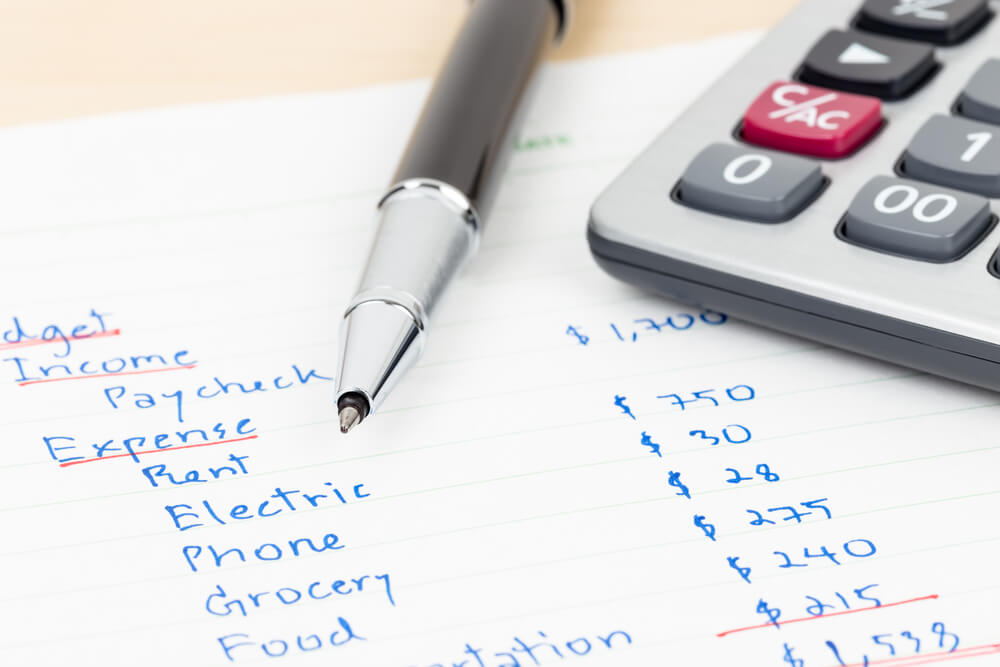
A budget is one of the most important tools in basic financial education, helping you track spending and avoid unnecessary debt. You must have a budget at the core of everything you do about money. This means that you list out all of your income and outgoing expenses. This will allow you to determine how much cash you have left at the end of the month, i.e., for those more exciting expenses such as entertainment.
If you have a budget, it becomes easier to control your cash. However, if you fail to follow your budget or create an unrealistic budget for your needs, you may need help with necessary or emergency expenses. This is where an online payday loan can help cover emergencies your budget doesn't cover. A budget gives you visibility into your finances and helps prevent small issues from becoming bigger problems.
2. Utilize Budgeting Apps
Using apps regularly helps reinforce basic financial literacy by keeping your financial habits consistent and visible. Many mobile apps can help you create, monitor, and maintain a solid budget. Here are a few helpful apps to get you started.
- Mint Mobile
- YNAB (You Need A Budget)
- EveryDollar
- Goodbudget
- PocketGuard

No matter what app you choose, create a realistic budget for you. Additionally, most apps can notify you and set reminders to help you stay on track with your budgeting goals. Be sure to personalize your experience for success with your chosen budgeting app.
These tools make it easier to stay aware of your spending and adjust your habits before your budget gets off track.
3. Define Your Money Goals
Clear goals are a key part of best personal finance tips, as they give your budget direction and purpose. We all have long-term expenses that we want to cover. For some, it may be a vacation. For others, it may be purchasing a home.
It would be best if you defined your long-term money goals. This will go hand-in-hand with your budget, allowing you to determine how much cash you must set aside each month to reach those goals.
Defining those long-term money goals can provide more incentive to save. You aren't just blowing random cash at the end of the month because you know you may need it for something. Clear goals give your budget purpose and make saving feel more intentional.
4. Do Not Spend Anything Unless You Can Afford It
This habit is essential for maintaining strong basic financial literacy and avoiding unnecessary financial stress. Of course, when we mention spending, we do not discuss essential expenses like food, bills, rent, etc. We are talking about the other costs that may appear, such as entertainment or expensive clothes.
Only spend the cash If you can genuinely afford these more frivolous expenses without throwing your budget out of sync. It is as simple as that. Pausing before spending can help you avoid purchases that quietly strain your budget.
5. Create A Savings Account
Saving consistently is one of the most effective best personal finance tips for preparing for unexpected expenses. Keeping your savings separate from everyday spending is a core part of basic financial literacy. When savings are mixed with checking funds, it becomes far easier to spend money that should be set aside.
Creating a dedicated savings account also makes it easier to build an emergency fund. Even small, consistent contributions can add up over time. If you’re unsure how to start saving while managing everyday expenses, our guide explains why do you think it is recommended that you save 3-6 months of expenses in your emergency fund?
6. Live Within Your Means
Living within your means is one of the simplest ways to strengthen your basic financial education and maintain long-term stability. It would be best if you lived within your means. Only buy things as expensive as you can afford; for example, you should not buy a $30 shirt if a $10 one is sufficient. Or you shouldn’t spend $5 on coffee daily when your budget only allows you to pay that amount every few days.
There is no shame in living within your financial limits. As you learn to manage your finances, you will find that you have more cash to spend on those more frivolous expenses. Living within your means creates flexibility and reduces the likelihood of financial emergencies.

Common Financial Mistakes to Avoid
Even with strong intentions, many people struggle with the same financial habits. Avoid these common mistakes:
- Ignoring your budget
- Overspending on non-essentials
- Not saving for emergencies
- Relying too heavily on credit
- Not tracking expenses
Avoiding these mistakes strengthens your basic financial literacy and helps you stay in control of your money.
7. Use An Online Payday Loan For Emergency Expenses
Online payday loans and payday loans near me can provide fast access to funds when you’re facing urgent financial challenges. Even with strong financial habits, unexpected expenses can still arise. Medical bills, urgent repairs, or overdue obligations don’t always wait until your next paycheck. In these situations, understanding short-term financial options can be helpful.
An online payday loan may be an option for covering emergency expenses when savings fall short. These loans are designed for short-term needs and should be approached carefully as part of a broader financial plan, not as a long-term solution.
An online payday loan from our company can cover emergency expenses that your budget for the rest of the month may not cover. This includes:
- Medical expenses
- Emergency home repair bills
- Late rent payments
- Ensuring specific bills don't go late
Knowing when and how to use short-term borrowing responsibly is part of developing strong financial literacy.
The online payday loan inquiry process is designed to be as quick as possible. You can start by filling out our online form and then come into payday loans near me with your state-issued ID, most recent pay stub, and a blank check from your checking account to our store. We will walk you through the rest of the online payday loan process.
When used responsibly, an online payday loan can help you stay on track financially without disrupting your long-term goals.
An online payday loan from our company can cover emergency expenses that your budget for the rest of the month may not cover.
When to Consider Online Payday Loans
You may consider online payday loans if:
- You have an urgent expense that cannot wait
- Your savings are not enough to cover the cost
- You need quick access to funds
- You are between paychecks
Nevada Title and Payday Loans, Inc. provides online payday loans designed to help during short-term financial situations.
Learn Your Basic Financial Literacy Today
Whether you’re improving your budgeting habits or exploring online payday loans, Nevada Title and Payday Loans, Inc. offers options to help you navigate financial challenges confidently. Basic financial literacy is about building habits that support long-term stability. Creating a budget, setting goals, separating savings, and living within your means can all help you manage money more confidently.
While planning ahead reduces financial stress, emergencies can still happen. Understanding how savings, budgeting, and short-term options work together can help you make informed decisions when money gets tight.
FAQ
1. What is basic financial literacy?
Basic financial literacy is the ability to understand budgeting, saving, spending, and managing money effectively.
2. Why is basic financial education important?
Basic financial education helps you avoid debt, build savings, and make informed financial decisions.
3. What are the best personal finance tips?
The best personal finance tips include budgeting, saving regularly, avoiding unnecessary spending, and setting financial goals.
4. What are online payday loans?
Online payday loans are short-term loans designed to help cover urgent expenses quickly.
5. How do I find payday loans near me?
You can search for payday loans near me or apply online with Nevada Title and Payday Loans, Inc. for fast assistance.
Note: The content provided in this article is only for informational purposes, and you should contact your financial advisor about your specific financial situation.